The short answer
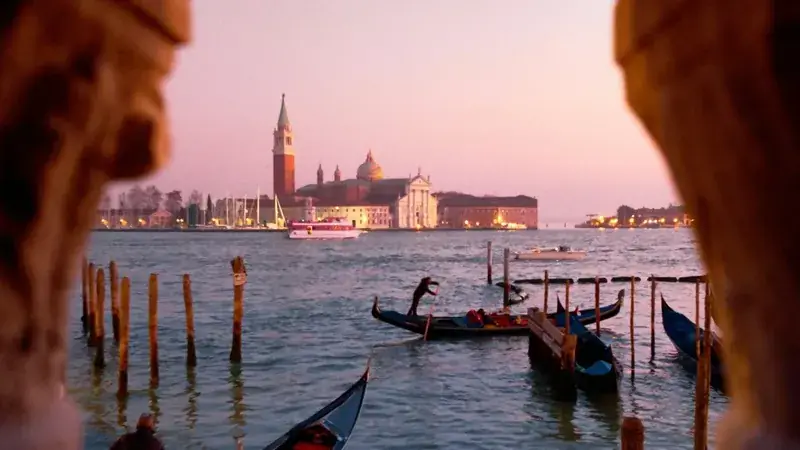
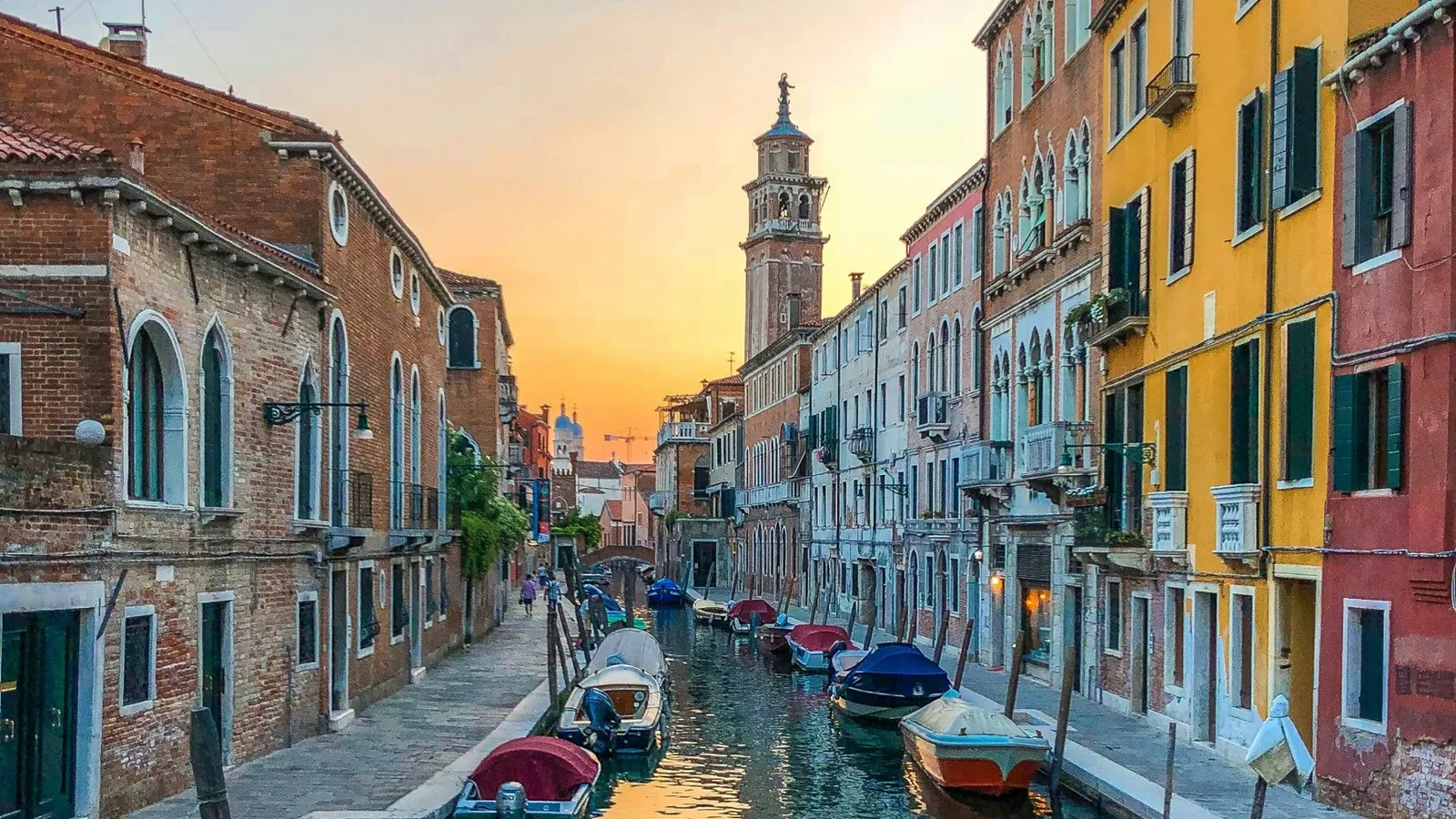
Day 1 is for the classics: the Grand Canal by water bus, St Mark's Square, the Basilica, the Doge's Palace and the Rialto Bridge, with cicchetti in Cannaregio in the evening. Day 2 is for the lagoon: Murano and Burano in the morning, then Dorsoduro and a sunset on the Zattere. Sleep at least one night in Venice: you see the city without the crowds and you don't pay the access fee.
How to get to Venice
By train you arrive at Venezia Santa Lucia, right on the Grand Canal: about 2h25 from Milan, 2h05 from Florence and 4 hours from Rome on high-speed trains. Get off at Santa Lucia, not at Venezia Mestre (that is the mainland station). You can compare train times and prices on Omio.
By plane you land at Marco Polo (VCE): buses reach Piazzale Roma in about 25 minutes, the Alilaguna water bus takes about an hour but drops you closer to many hotels. Low-cost flights also use Treviso, about an hour away by bus.
Day 1: St Mark's, Rialto and the Grand Canal
- Morning: from the station take vaporetto line 1 along the whole Grand Canal to San Marco: it is the cheapest "tour" of Venice.
- St Mark's Basilica and the Doge's Palace: the queues in high season are long, so book the Doge's Palace ticket online and choose a morning slot. From inside the palace you cross the Bridge of Sighs.
- Afternoon: walk through the alleys to the Rialto Bridge. The Rialto market is open in the morning (closed on Sundays).
- Evening: move to Cannaregio for cicchetti and a spritz in the bacari along the Fondamenta della Misericordia.
Day 2: Murano, Burano and Dorsoduro
- Early morning: from Fondamente Nove take the vaporetto to Murano to see the glass furnaces, then continue to Burano, the island of colourful houses. Leave early: by lunch the boats are full.
- Afternoon: back in the city, explore Dorsoduro: the Accademia Gallery, the Peggy Guggenheim Collection (closed on Tuesdays) and the church of Santa Maria della Salute.
- Sunset: walk along the Zattere, facing the Giudecca, the most relaxed sunset in Venice.
Where to sleep in Venice
| Area | Good for |
|---|---|
| San Marco | Everything on foot, but the most expensive and crowded |
| Cannaregio | Near the station, local feel, good bacari and prices |
| Dorsoduro | Quiet, museums, sunsets on the Zattere |
| Mestre (mainland) | Much cheaper, 10 minutes by train or tram, still exempt from the access fee |
Prices in the historic centre rise a lot at weekends and during Carnival: compare hotels in Venice or look at Mestre if your budget is tight.
Getting around
Venice is walked: the historic centre is small, but the alleys are a maze, so keep offline maps on your phone. The vaporetto (ACTV water bus) is expensive as a single ticket: if you ride it more than two or three times, a 24h or 48h pass is better value. A traghetto gondola crossing of the Grand Canal costs just a few euros and is a nice alternative to a full gondola ride.
Tips
- Visiting on a peak day without sleeping in Venice? Check the access fee first.
- Combining Venice with other cities? See Rome, Florence and Venice in 7 days and Trenitalia vs Italo.
- In autumn and winter check the acqua alta (high tide) forecast in the morning: St Mark's Square floods first.
Times and prices are indicative and can change — always check before you travel.
Plan your trip to Venice
Some links are affiliate links: booking through them costs you nothing extra and helps keep 687 free.
Your two Venice days, in your pocket.
In 687 Italy the Venice stage gets the right train, the sights in walking order and the offline maps for the alleys. NOW rebuilds the rest of the day if the tide, the weather or the crowds change the plan.
Sources
Checked against these official sites in November 2026. Prices and rules can change: always confirm before you travel.