← All travel guides
JAPAN TRAVEL GUIDE · FOOD & LANGUAGE

Japanese restaurant phrases every tourist needs

From the door to the bill: the short, polite phrases that get you through any meal in Japan, written in Japanese, romaji and English.

Updated 8 November 2026 · 5 min read · By the 687 team
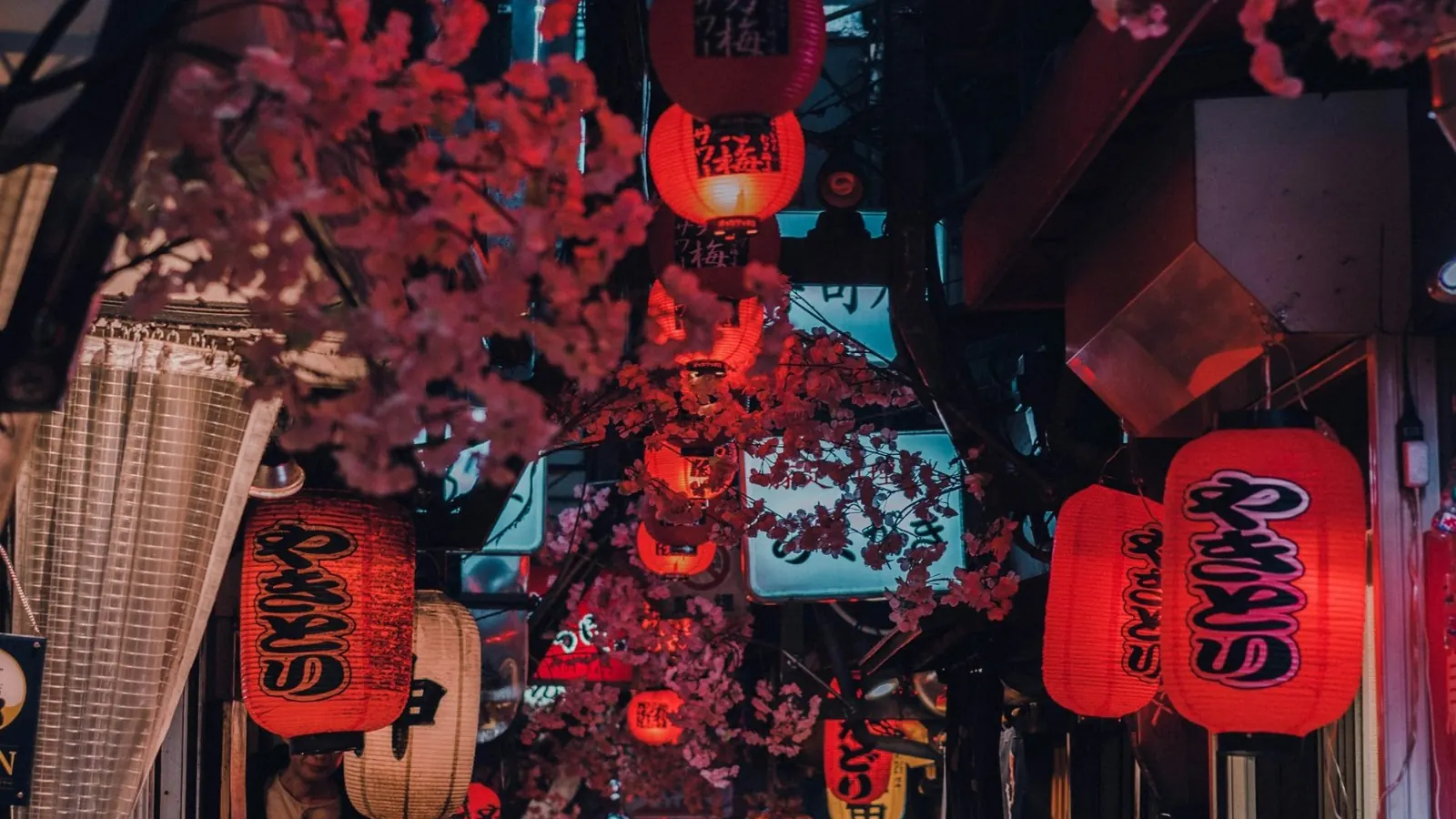
A Japanese alley with lanterns

Entering the restaurant

Staff will greet you with いらっしゃいませ (irasshaimase, “welcome”). You don’t need to answer it — a nod is enough. Then show how many people you are:

Futari desu
Two people.
Hitori desu
Just one person.
Yoyaku shite imasu
I have a reservation.
Kin’en-seki wa arimasu ka?
Do you have a non-smoking table?

Counting people: hitori (1), futari (2), san-nin (3), yo-nin (4), go-nin (5). Showing the number with your fingers also works perfectly.

Eigo no menyū wa arimasu ka?
Do you have an English menu?
Shashin-tsuki no menyū wa arimasu ka?
Is there a menu with pictures?
Osusume wa nan desu ka?
What do you recommend?
Kore wa nan desu ka?
What is this?

For the full English-menu phrase, pronunciation and the answers you may hear, see our guide to asking for an English menu in Japanese.

Ordering food and drinks

Kore o kudasai
This one, please (pointing).
Kore o futatsu kudasai
Two of these, please.
O-mizu o kudasai
Water, please.
Nama bīru o kudasai
A draft beer, please.

Objects are counted differently from people: hitotsu (1), futatsu (2), mittsu (3), yottsu (4). Water and green tea are usually free and refilled without asking.

Allergies and dietary needs

Japanese menus rarely list allergens in English, so it is worth saying it clearly or showing it on your phone:

Arerugī ga arimasu
I have an allergy.
Ebi arerugī desu
I’m allergic to shrimp.
Niku wa taberaremasen
I can’t eat meat.
Kore ni tamago wa haitte imasu ka?
Does this contain egg?
Replace ebi (shrimp) with your allergen: kani (crab), tamago (egg), komugi (wheat), gyūnyū (milk), pīnattsu (peanut), soba (buckwheat). Many broths contain fish (dashi), so vegetarians should ask: 魚のだしは入っていますか? (Sakana no dashi wa haitte imasu ka?).

Paying the bill

O-kaikei onegaishimasu
The bill, please.
Kādo de haraemasu ka?
Can I pay by card?
Betsubetsu de onegaishimasu
Separate bills, please.
Gochisōsama deshita
Thank you for the meal.

In most restaurants you pay at the register near the exit, not at the table: take the bill slip with you. Crossing your index fingers in an “X” also signals that you want the bill.

Four etiquette rules worth knowing

  • No tipping. It is not expected and can cause confusion. Good service is simply included.
  • Slurping noodles is fine. In ramen and soba shops it is normal, not rude.
  • Don’t stick chopsticks upright in rice or pass food chopstick-to-chopstick: both are linked to funerals.
  • Otōshi: in izakaya, a small starter you didn’t order is a normal table charge.

If you only learn two words, make them sumimasen (“excuse me”, to call staff) and kore o kudasai (“this one, please”). With pointing and a smile, they will get you through almost any meal.

BOOK IT

Ready to book?

Affiliate links: if you book, 687 may earn a commission at no extra cost to you.

687 JAPAN

The phrase, ready on your screen.

In 687 Japan, the English menu helper in Food search keeps 英語のメニューはありますか? one tap away. Show it full screen to staff or let the app read it aloud in Japanese. Restaurants with an English name or website are shown first, so you are more likely to find an English menu — and Translate now works as a two-way conversation for everything else.
FAQ

Quick answers.

What are the most useful Japanese phrases for restaurants?

“Sumimasen” to call staff, “Kore o kudasai” to order by pointing, “Eigo no menyū wa arimasu ka?” for an English menu and “O-kaikei onegaishimasu” for the bill.

How do I say I have a food allergy in Japanese?

Say “Arerugī ga arimasu” (I have an allergy) and name it, for example “Ebi arerugī desu” for shrimp. Showing it written on your phone is the safest option.

Do you tip in restaurants in Japan?

No. Tipping is not part of Japanese restaurant culture; paying the bill is enough.

How do I ask for the bill in Japan?

Say “O-kaikei onegaishimasu”, then usually pay at the register near the exit.