The short answer
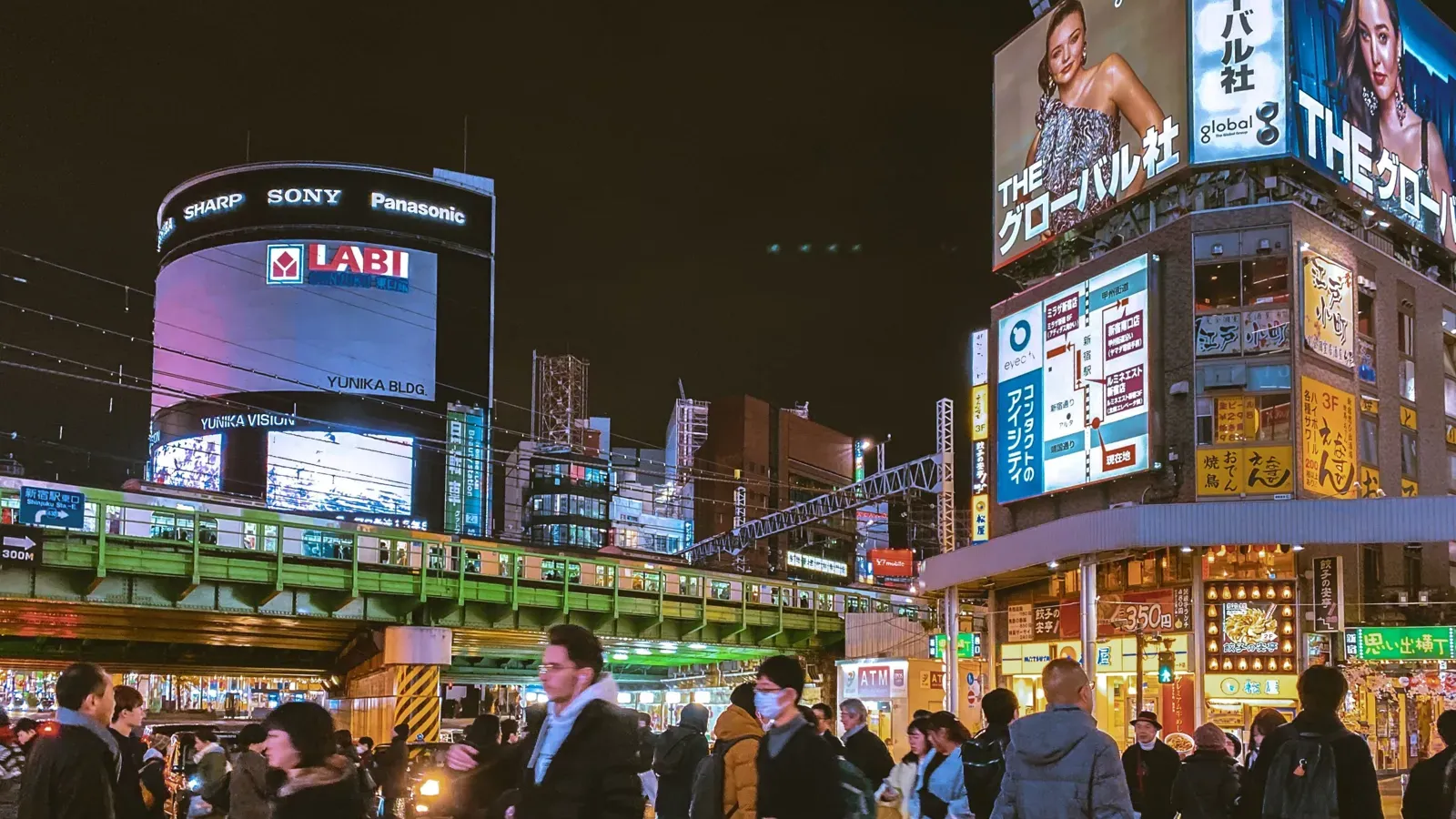
For a first trip, stay in Shinjuku: it's the biggest transport hub, it has hotels at every price and it's lively until late (the photo above is the east exit). If you prefer something calmer and central, choose Ginza or Tokyo Station, perfect if you'll take the Shinkansen. For a traditional atmosphere and lower prices, choose Asakusa or Ueno. Whatever you pick, the real rule is one: be close to a station, ideally on the JR Yamanote line.
The Yamanote rule
The JR Yamanote line is a loop that connects Shinjuku, Shibuya, Harajuku, Tokyo Station, Akihabara, Ueno and Ikebukuro. Staying near one of its stations means reaching almost every sight with one train and no changes. A hotel 15 minutes from a small station on a minor line may look cheaper, but you'll pay it back in time every day. Paying with an IC card like Suica or PASMO makes every ride simple.
Shinjuku: the best base for a first trip
The busiest station in the world, with JR, metro and private lines, and direct trains or buses to Hakone, Mount Fuji and the airports. Around it: the neon of the east exit, the tiny bars of Golden Gai and Omoide Yokocho, department stores, the free observatory at the Tokyo Metropolitan Government Building and the Shinjuku Gyoen garden. It's lively but very safe; just choose a hotel away from the heart of Kabukicho if you want quiet nights.
Best for: first-timers, day trips, nightlife. Compare hotels in Shinjuku.
Shibuya: young and energetic
The famous scramble crossing, Shibuya Sky, shopping, cafés and nightlife, with Harajuku and Omotesando a short walk away. Good connections, though fewer direct trains for day trips than Shinjuku. Hotels are generally a bit more expensive and newer.
Best for: shopping, younger travellers, design lovers.
Ginza and Tokyo Station: central and calm
Ginza is elegant shopping streets and quiet evenings; Tokyo Station next door is where the Shinkansen leave for Kyoto and Osaka, and the Imperial Palace gardens are a short walk away. It's the most practical area if you'll arrive from Haneda or Narita and leave by bullet train. Nightlife is calmer and prices are medium-high.
Best for: couples, families, Shinkansen travellers. See hotels in Ginza.
Asakusa and Ueno: traditional and good value
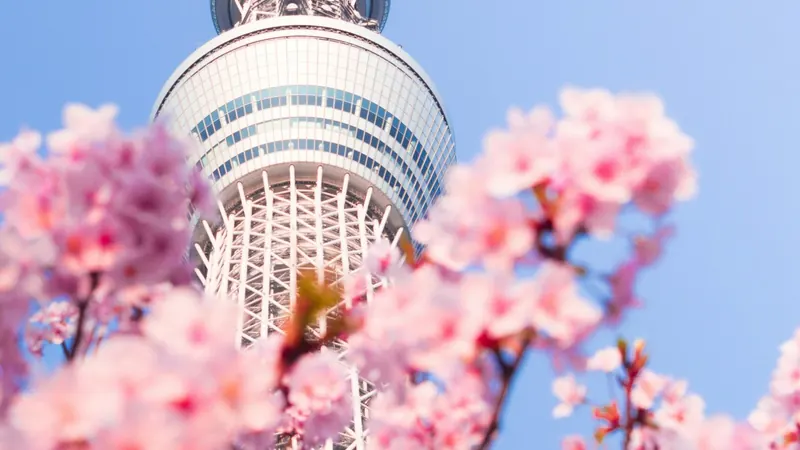
Asakusa is the old Tokyo: the Senso-ji temple, Nakamise street, rickshaws and views of the Skytree across the river. Lots of ryokan-style hotels and hostels at good prices, and the Keisei/Toei lines reach Narita and Haneda. It's quiet at night and a bit far from Shinjuku and Shibuya (30–40 minutes).
Ueno is on the Yamanote line, with museums, the park (beautiful for cherry blossom), the Ameyoko market and the Keisei Skyliner to Narita. Practical and often cheaper than the west side.
Best for: budgets, families, those arriving at Narita.
Other areas worth knowing
- Ikebukuro: big Yamanote hub, cheaper hotels, direct buses to some sights; less charming but very practical.
- Akihabara: electronics, anime and games; central on the Yamanote line, good value.
- Roppongi: art museums and nightlife, international feel, less convenient for day trips.
- Odaiba or Tokyo Disney area: only if you're going to Disney, otherwise too far from everything.
Quick comparison
| Area | Transport | Price | Atmosphere | Best for |
|---|---|---|---|---|
| Shinjuku | Excellent | ¥¥ | Lively, neon | First trip, day trips |
| Shibuya | Very good | ¥¥¥ | Young, trendy | Shopping, nightlife |
| Ginza / Tokyo Stn | Excellent | ¥¥¥ | Elegant, calm | Shinkansen, couples |
| Asakusa | Good | ¥ | Traditional, quiet | Budget, culture |
| Ueno | Very good | ¥–¥¥ | Local, practical | Narita, museums |
Booking tips
- Japanese rooms are small: a double in a business hotel can be 11–15 m². Check the size and the bed width (a "semi-double" is narrow for two).
- Check-in is usually from 15:00, but almost every hotel will keep your luggage for free if you arrive early.
- A small accommodation tax is added per person per night on most rooms, and it's often not in the online price.
- Book well ahead for cherry blossom season (late March–early April), Golden Week (late April–early May) and New Year.
- Heading on to Kyoto? Being near Shinagawa or Tokyo Station saves time on the Shinkansen day.
Plan your stay in Tokyo
Some links are affiliate links: booking through them costs you nothing extra and helps keep 687 free.
Tokyo, planned from your station.
In 687 Japan you set your hotel as the base and each day is built around it, with trains, the offline map, English menu help and earthquake alerts. If plans change, NOW rebuilds the rest of the day.
Sources
- GO TOKYO – official Tokyo travel guide
- JR East – train information
- Tokyo Metro (official)
- Japan National Tourism Organization
Checked against these official sites in November 2026. Prices and rules can change: always confirm before you travel.